
Home / Factory Consulting / Production guide
How are wet wipes made?
From fabric to carton: 6 steps to make wet wipes.
Wet wipes are made by folding and cutting nonwoven fabric, wetting it with solution and sealing it in airtight packaging. In this guide we walk you through industrial production step by step, from raw materials to shipping.
What are wet wipes made of?
A pack of wet wipes has four main components. The feel, scent and shelf life of the product depend on choosing them correctly.
- Nonwoven fabricThe wipe itself. Basis weight, wipe size and sheet count are chosen to suit the product.
- SolutionThe liquid the fabric is loaded with: water plus a premix containing preservatives, moisturisers and care ingredients.
- FragranceThe product's scent, added at 0.3–0.5% of the finished solution.
- PackagingPackaging film, lid, resealable label and carton keep the wipes from drying out.
How wet wipes are made, step by step
On an industrial line, production runs in this order. The capacity of each section must match the others.
- Solution preparationPremix and fragrance are added to the water in the tank and mixed. Example: 980 kg water + 20 kg premix, 15 minutes.
- Reel unwindingThe nonwoven reel is fed into the line; reel width and basis weight must suit the machine.
- Folding and cuttingThe fabric is folded and cut to wipe size; the fold type is set in this section.
- Wetting and stackingThe solution is dosed onto the fabric and the wipes are stacked according to the pack count. In our example, 4 kg of solution per 1 kg of dry fabric.
- PackingThe stack is wrapped in packaging film; the lid and label are applied and the pack is sealed.
- Quality control and cartoningpH and microbiological checks are carried out; the packs are cartoned and prepared for shipping.
Production differences by product
The production steps are the same; the solution, machine and packaging change with the product.
Water-based or cream-based newborn solutions, a light scent and a pack with a lid.
Solutions with vitamin E, aloe vera and chamomile extract; for hands, face and make-up removal.
Single-wipe machine and single-wipe solutions; ready-scented options with the fragrance already blended in.
Alcohol-based single-wipe solution; dries fast and leaves a cooling feel.
General cleaning and glass cleaning solutions; different premix ratios.
Dashboard, leather and shoe shine; paw, eye and ear cleaning solutions.
Why does line hygiene matter?
Wet wipes are a moist product, so any contamination on the production line passes straight into the product. Hygiene is the first step of quality control.
- Production lineThe line and pipework are cleaned regularly with an antibacterial system cleaner.
- Tanks and mixersSolution tanks are cleaned between batches.
- Floors and environmentProduction and warehouse floors and the ambient air are kept hygienic.
- StaffHand hygiene is provided at the entrances to the production area.
Common mistakes
The problems new manufacturers run into most often.
- Treating solution preparation as an afterthought. The tank, dosing and water quality matter as much as the machine; the solution is the product.
- Not measuring the loading ratio. Too little solution means dry wipes; too much means leaking packs and unnecessary cost.
- Neglecting line hygiene. Lines and tanks that aren't cleaned lead to microbiological problems.
- Not checking the pack seal. If the lid and label don't close properly, the wipes dry out during their shelf life.
- Skipping quality control. Run pH and microbiological checks on every batch and keep retained samples.
How do we help?
We don't make or sell machines; we support you from start to finish as you move into production.
- Business plan and costingPlan for product, capacity, investment and cost per pack.
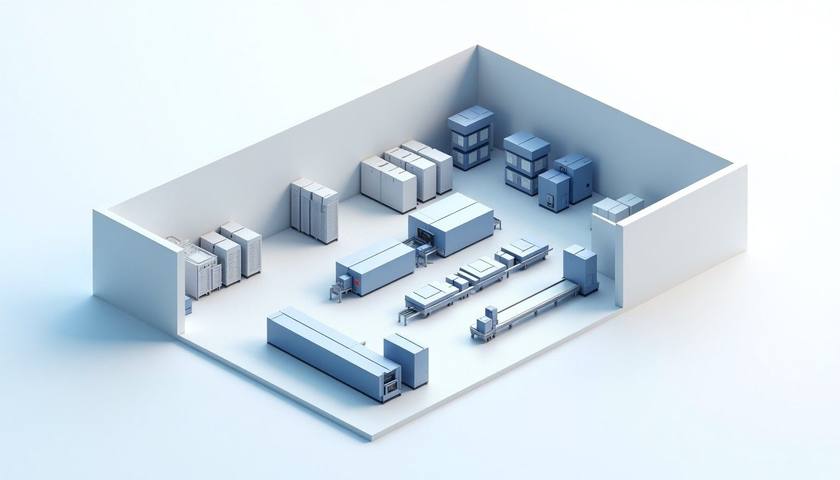
- 2D + 3D plant layoutMachine layout and material flow tailored to your space.
- Meeting machine manufacturersReliable machine manufacturers suited to your project.
- Premix and fragranceYour solution, ready: 30+ premixes and 60 fragrances.
Frequently asked questions
How are wet wipes made?
Nonwoven fabric is unwound from the reel, folded and cut, wetted with solution and stacked, then sealed in airtight packs with a lid and label. Quality control follows and the packs are cartoned.
What raw materials do you need to make wet wipes?
Nonwoven fabric, solution (water and premix), fragrance, packaging film, lids, labels, glue and cartons.
How is wet wipe solution made?
Wet wipe solution (lotion) is made with premix: add 20 kg of premix and 0.3–0.5% fragrance to 980 kg of water and mix for 15 minutes. The ratio varies by product.
What machine do you need to make wet wipes?
It depends on your product: a wet wipes pack line, a single-wipe machine or other types. Our machine selection guide explains the line sections and machine types.
How much space is needed for wet wipes production?
It depends on the line type and capacity. A compact plant can be laid out in 150 m²; we prepare a 2D/3D plant layout for your own space.
How much does it cost to set up a wet wipes factory?
Depending on product, capacity, automation and space, it ranges from about $50,000 to $1 million.


Support in Turkish and English